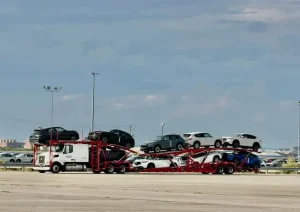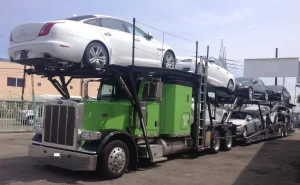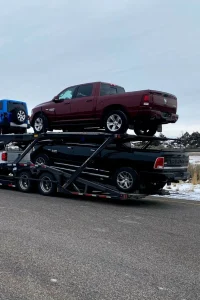

State-to-state auto transport helps customers move vehicles between states without driving the entire distance. Routevex Auto Shipping offers interstate car shipping options for families, students, seasonal travelers, vehicle buyers, dealerships, and businesses throughout the United States.
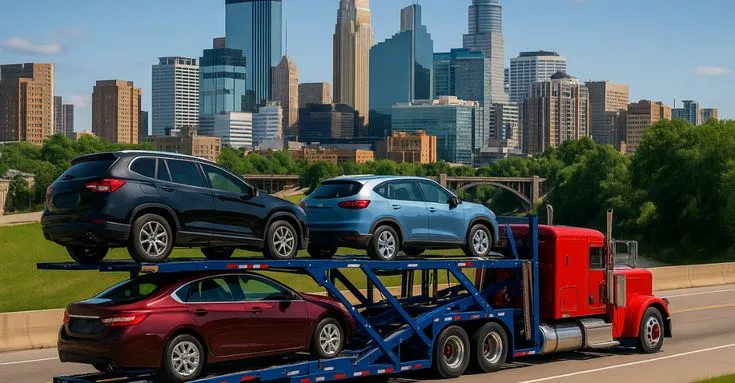
Moving a vehicle from one state to another can involve significant planning, especially when the distance stretches hundreds or thousands of miles.
Whether you’re relocating for work, purchasing a car from an out-of-state seller, attending college, or moving between seasonal residences, professional interstate vehicle transportation can provide a convenient alternative to driving.
Routevex Auto Shipping helps customers in Fort Worth, Texas, explore state-to-state car shipping options designed around their vehicles, routes, and scheduling needs.
State-to-state auto transport is the process of shipping a vehicle between locations in different U.S. states.
Vehicles are transported using specialized auto carriers, commonly through open or enclosed trailers.
Customers can request transportation between major cities, suburban communities, dealerships, and other accessible pickup and delivery locations.
Interstate auto shipping is frequently used for personal relocations, online vehicle purchases, dealership transfers, seasonal travel, and family vehicle moves.
Avoid Long-Distance Driving
Driving across several states can require considerable time and planning.
Vehicle shipping allows customers to travel separately while their automobile is transported toward the destination.
Reduce Additional Vehicle Mileage
Long road trips increase mileage and contribute to routine wear on tires, brakes, and other vehicle components.
Shipping can reduce the additional mileage that would otherwise result from driving the full route.
Simplify Relocation Planning
Moving often involves housing arrangements, travel schedules, family responsibilities, and work commitments.
Arranging vehicle transportation can help customers focus on these other important tasks.
Transport Vehicles Purchased Out of State
Online marketplaces and dealerships make it possible to purchase vehicles from sellers across the country.
Interstate shipping provides a practical way to arrange delivery when driving the purchased vehicle home is inconvenient.
The shipping process begins with a quote request.
Customers provide the vehicle’s year, make, model, condition, origin ZIP code, destination ZIP code, and preferred shipping dates.
The transportation option is selected based on the vehicle and customer’s preferences.
Open transportation is often chosen for standard vehicles because of its relative affordability.
Enclosed transportation may be preferred for luxury, exotic, or collectible automobiles.
After booking, pickup arrangements are coordinated according to carrier availability.
At pickup, the carrier performs a condition inspection and documents the vehicle’s existing appearance.
The vehicle is then loaded onto the trailer and transported toward the destination.
At delivery, the recipient inspects the automobile and completes the required documentation.
Fort Worth’s location within the Dallas–Fort Worth metropolitan area makes it a useful origin or destination for interstate vehicle transportation.
Customers may request shipping on routes such as:
Texas to California.
Texas to Florida.
Texas to Arizona.
Texas to Georgia.
Texas to New York.
Texas to Colorado.
California to Texas.
Florida to Texas.
These are examples of potential shipping routes, not guaranteed regularly scheduled services. Actual availability and pricing depend on carrier operations and customer requirements.
Interstate car shipping prices vary considerably.
Distance is a major factor, but it is not the only consideration.
Vehicle size and weight influence how much space the automobile occupies on the trailer.
Trailer type also matters. Enclosed transportation usually costs more than open transportation because of differences in capacity, equipment, and availability.
Shipping season can affect demand, particularly during periods when many households relocate or seasonal travelers move between states.
Pickup and delivery locations also influence pricing.
Routes connecting major metropolitan areas may have different transportation options than routes involving rural communities.
Scheduling flexibility may help customers explore additional carrier options.
For the most accurate estimate, request a quote using your actual shipment details.
Transit times depend on route distance, carrier schedules, traffic, weather, road conditions, and operational requirements.
Short interstate routes may take a few days, while longer cross-country routes generally require more time.
Customers should distinguish between the pickup window and the estimated transit period.
A pickup window describes when the carrier expects to collect the vehicle.
Transit time refers to the period between vehicle collection and delivery.
Unless a specific guaranteed service has been confirmed in writing, delivery dates should be treated as estimates.
Open auto transport is generally suitable for everyday passenger vehicles.
It is commonly chosen for its relative affordability and widespread use.
Enclosed transportation offers additional protection from outdoor conditions and may be preferred for luxury, classic, or high-value vehicles.
Customers should consider their vehicle’s condition, value, and transportation budget before deciding.
Before pickup, confirm your contact details and destination information.
Remove valuable personal belongings and inspect the vehicle for existing damage.
Take photographs from multiple angles and retain copies of the vehicle inspection report.
Check the vehicle’s battery, tires, and fluid levels where appropriate.
If the vehicle is inoperable, disclose its condition before booking.
Make arrangements for an authorized adult to be present during pickup and delivery.
It is also important to review the transportation agreement, payment terms, insurance information, and cancellation conditions before confirming a shipment.
Routevex Auto Shipping helps individuals and businesses explore vehicle transportation between Fort Worth and destinations throughout the United States.
From a single family car to a specialty vehicle requiring additional protection, the appropriate shipping arrangement depends on your route and requirements.
Get Your State-to-State Car Shipping Quote
Planning an interstate move? Contact Routevex Auto Shipping at (817) 765-3315 to discuss your vehicle shipping needs.
Find answers to some common questions about car shipping and vehicle transportation.
Car shipping costs depend on the distance, vehicle size, transport type, pickup and delivery locations, seasonal demand, and scheduling flexibility. Open transport generally costs less than enclosed transport. Contact Routevex Auto Shipping for a quote based on your shipment details.
Transit times vary depending on distance, carrier availability, traffic, weather, and route conditions. Shorter trips may take only a few days, while cross-country shipping can take longer. Pickup windows and delivery estimates should be confirmed during booking.
Open transport is typically a practical, cost-effective choice for standard vehicles. Enclosed transport offers additional protection from weather and road debris, making it attractive for classic, luxury, exotic, and collectible vehicles.
You or an authorized adult should generally be available to release or receive the vehicle, participate in the condition inspection, and sign the required shipping documents. Confirm identification and authorization requirements before pickup.
Some carriers can transport inoperable vehicles using specialized loading equipment. Availability and additional charges depend on the vehicle's condition and the equipment required. Disclose any mechanical or operational issues when requesting a quote.